Basement Drainage Installation in Boston, MA
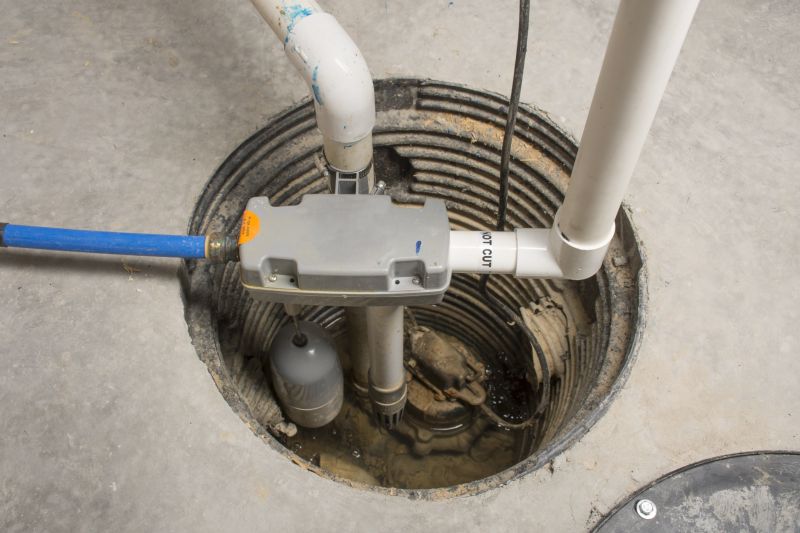
Basement drainage installation services involve setting up systems to manage excess water around a property’s foundation, helping to prevent water intrusion, flooding, and foundation damage. These projects typically include installing or upgrading drain pipes, sump pumps, and drainage channels to direct water away from the basement and foundation walls. Property owners often request this service when experiencing persistent basement dampness, signs of water seepage, or after construction projects that may have impacted drainage patterns. Understanding the layout of the property, the source of water issues, and the desired outcome can help homeowners plan an effective drainage solution.
Before requesting basement drainage installation, property owners should consider the existing landscape and grading, as these factors influence drainage effectiveness. It’s also useful to evaluate any previous drainage problems, the age of the foundation, and the type of soil surrounding the property. Proper planning ensures the installation addresses current issues and minimizes future risks. Clear communication about the property’s water management needs and any specific concerns will support the development of a suitable drainage system tailored to the property’s unique conditions.
Many property owners in Boston, MA look into Basement Drainage Installation for repairs, replacements, upgrades, and appearance-related improvements.
Importance Of Proper Drainage
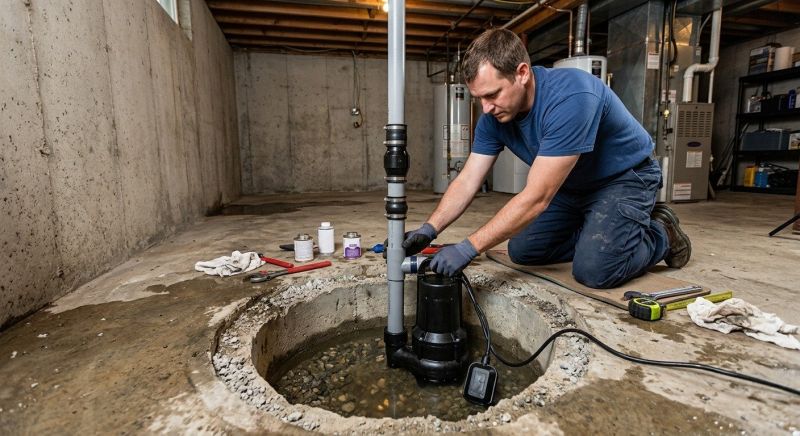
Effective basement drainage helps prevent water intrusion and property damage during heavy rains in boston.
Common Drainage Solutions
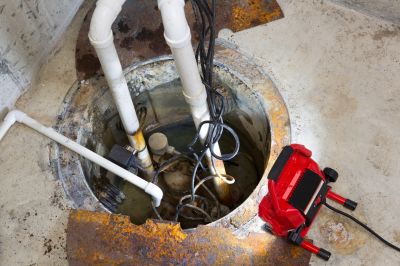
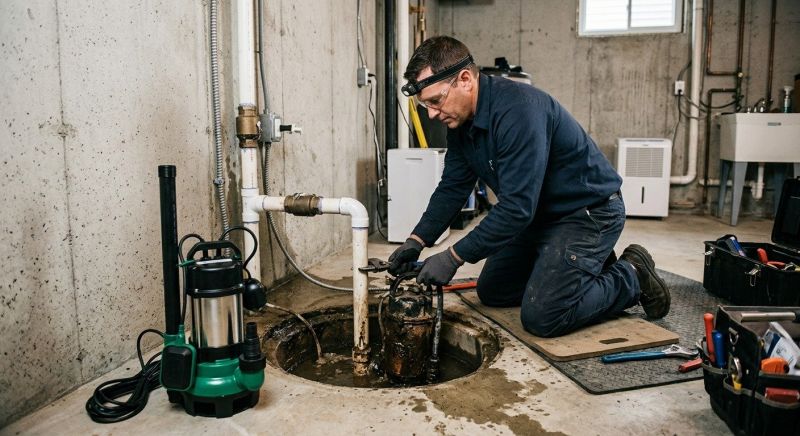
Installing sump pumps, interior drains, and exterior waterproofing systems can improve basement dryness.
Signs You Need Drainage Installation
Cracks, damp walls, or musty odors in the basement may indicate drainage issues that require professional attention.
Basement Drainage Installation in Boston, MA
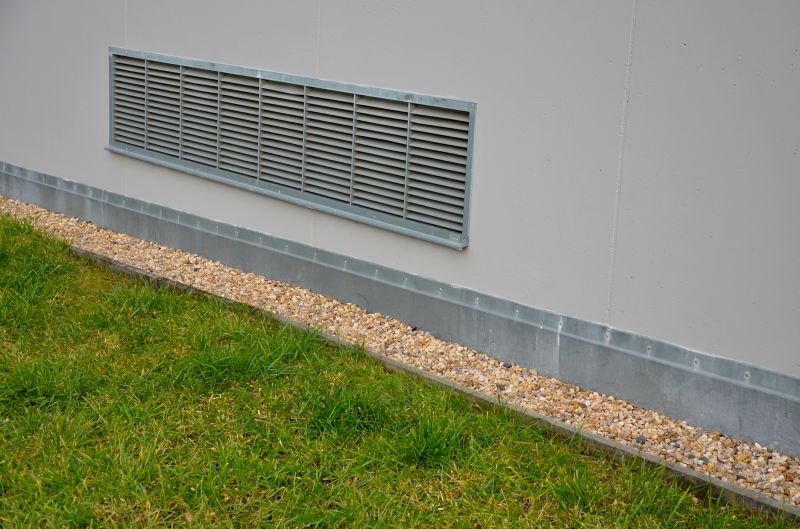
Basement drainage installation services involve setting up systems to manage excess water around a property’s foundation, helping to prevent water intrusion, flooding, and foundation damage. These projects typically include installing or upgrading drain pipes, sump pumps, and drainage channels to direct water away from the basement and foundation walls. Property owners often request this service when experiencing persistent basement dampness, signs of water seepage, or after construction projects that may have impacted drainage patterns. Understanding the layout of the property, the source of water issues, and the desired outcome can help homeowners plan an effective drainage solution.
Before requesting basement drainage installation, property owners should consider the existing landscape and grading, as these factors influence drainage effectiveness. It’s also useful to evaluate any previous drainage problems, the age of the foundation, and the type of soil surrounding the property. Proper planning ensures the installation addresses current issues and minimizes future risks. Clear communication about the property’s water management needs and any specific concerns will support the development of a suitable drainage system tailored to the property’s unique conditions.
Many property owners in Boston, MA look into Basement Drainage Installation for repairs, replacements, upgrades, and appearance-related improvements.
Common Basement Drainage Installation Jobs
Basement Drainage Systems - installations designed to prevent water from accumulating inside the basement.
Interior Drainage Solutions - systems that direct water away from basement walls and floors.
Foundation Drainage - measures to reduce hydrostatic pressure around the foundation.
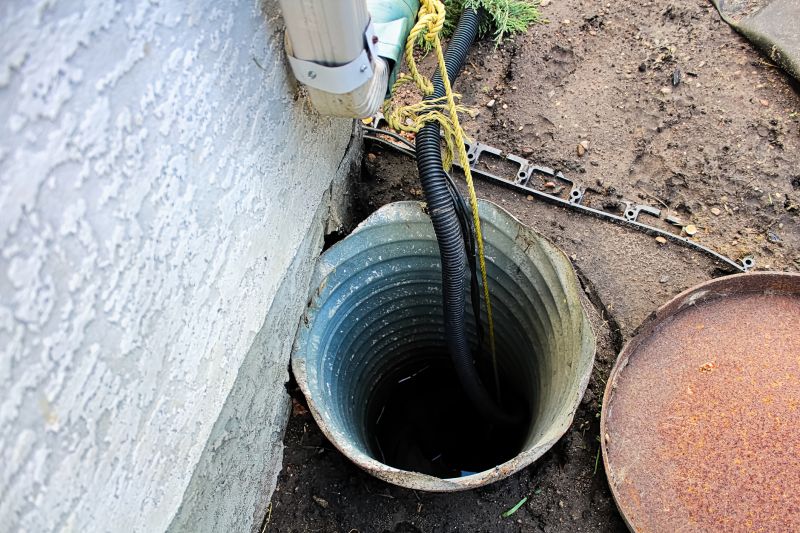
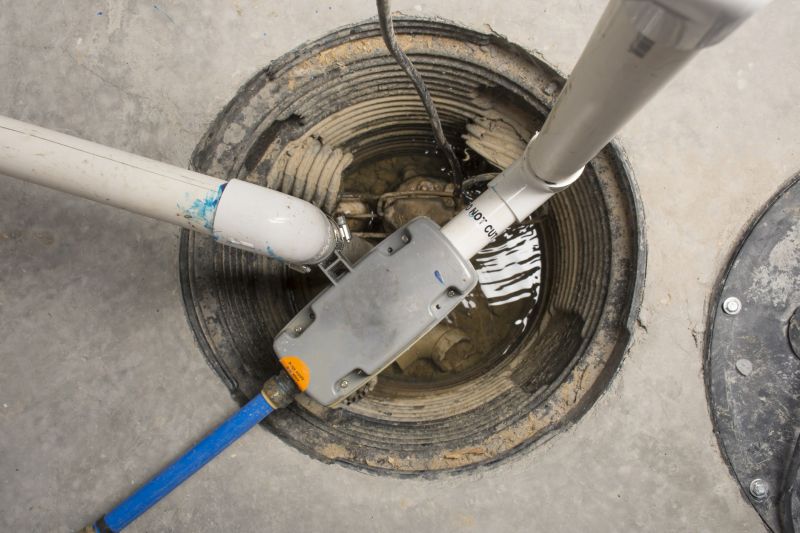
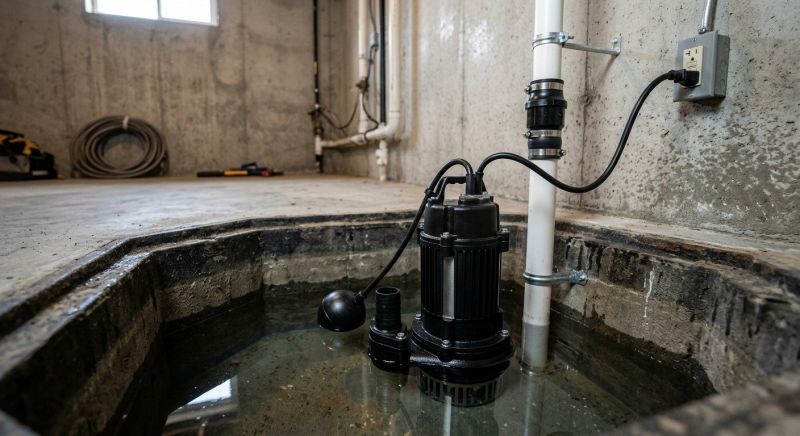
Sump Pump Installations - setups that automatically remove water to keep basements dry.
Drainage Channeling - surface and subsurface channels to divert rainwater from the property.
Waterproofing Drainage - integration of drainage systems with basement waterproofing for added protection.
Basement Drainage Installation Questions
What is basement drainage installation? It involves setting up systems to direct excess water away from the basement to prevent flooding and water damage.
Why is proper drainage important for basements? Effective drainage reduces the risk of water intrusion, mold growth, and structural issues caused by moisture buildup.
What types of drainage systems are commonly installed? Common options include interior drain tile systems, exterior waterproofing, and sump pump installations.
When should a property owner consider basement drainage installation? It is recommended when there are signs of water seepage, persistent dampness, or after significant landscaping changes nearby.
Request Basement Drainage Installation in Boston, MA
Use the quote form on this page to share the basics of your project and request more information for the type of work you need.